Catalan Institute for Water Research
Research and Innovation for the sustainable use of water
Research and Innovation for the sustainable use of water
CALCAT Water is a joint initiative led by the California Institute for Water Resources (CIWR) and the Catalan Institute for Water Research (ICRA). It brings together water research communities in California and Catalonia around a shared commitment to strengthening knowledge, scientific exchange and collaboration on water resilience.
The initiative creates a dedicated space for researchers, institutions and water professionals from both regions to connect, share expertise and explore common interests. It encourages dialogue across disciplines and institutions, helping to identify areas where knowledge, experience and research capacities can complement one another.
Through CALCAT Water, CIWR and ICRA seek to build lasting relationships that extend beyond individual activities or projects. The initiative supports opportunities for joint research, knowledge exchange, researcher mobility, workshops and new collaborative initiatives, creating a foundation for continued scientific interaction and long-term cooperation between California and Catalonia.

Why California and Catalonia?
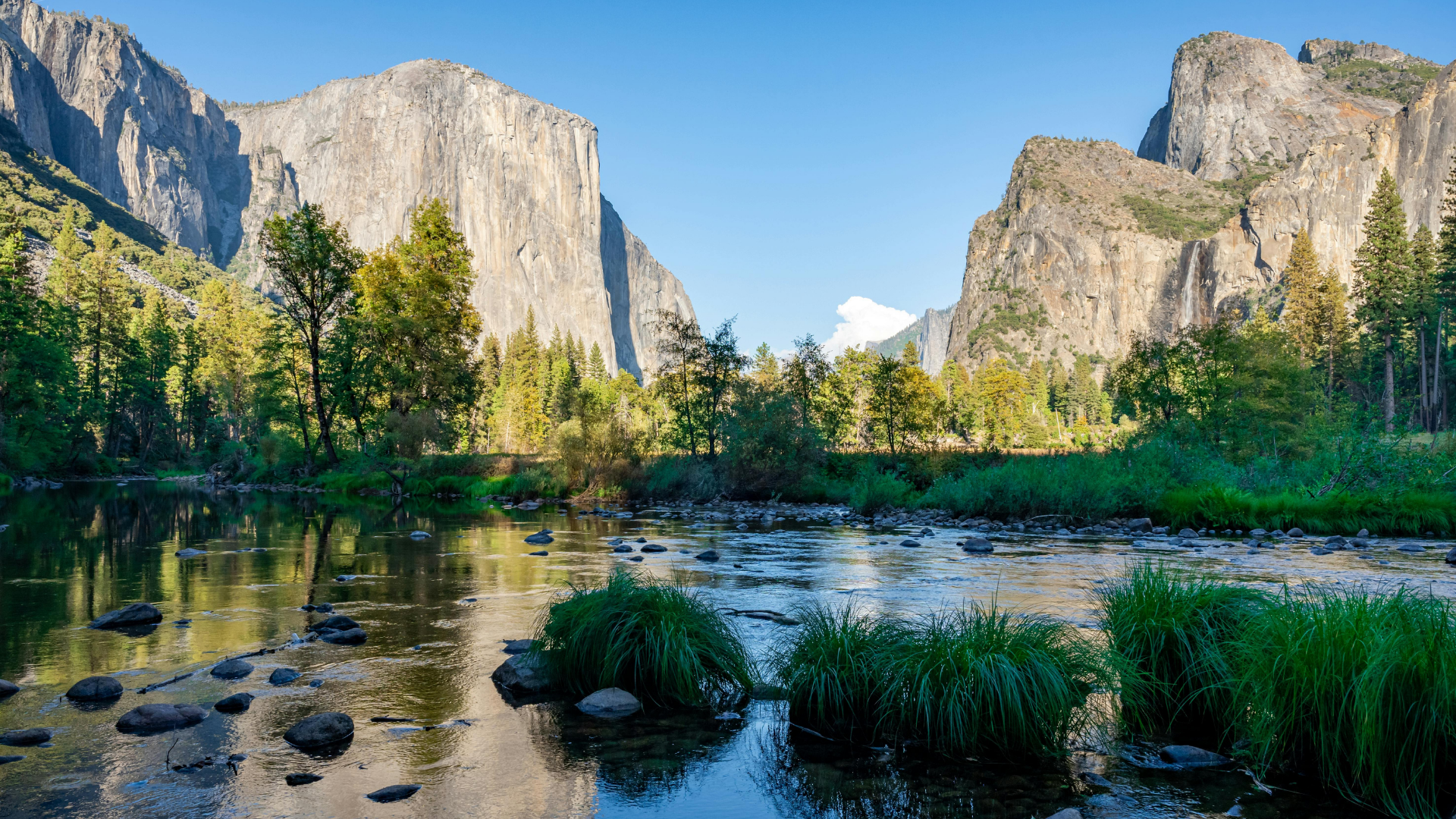
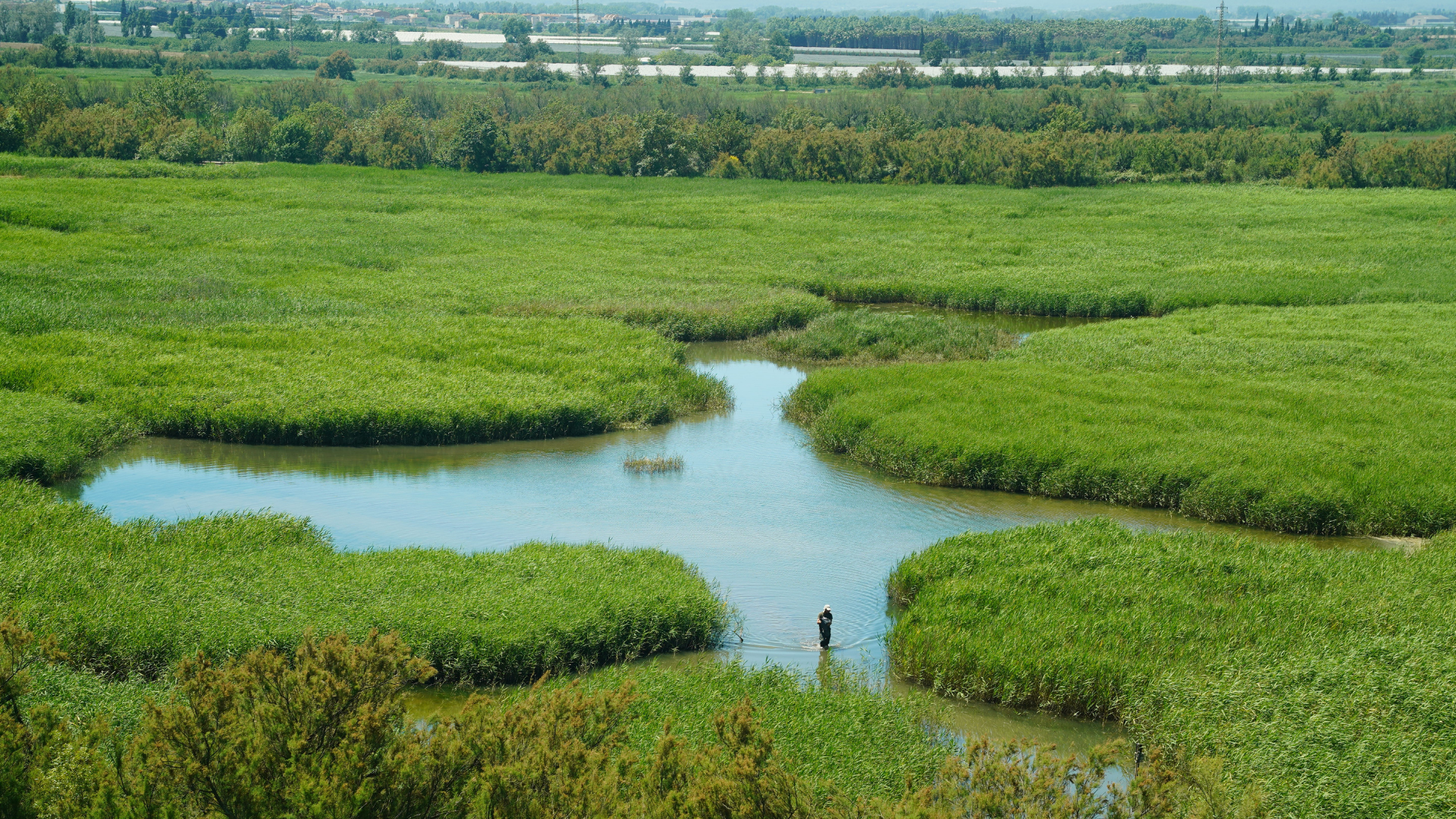
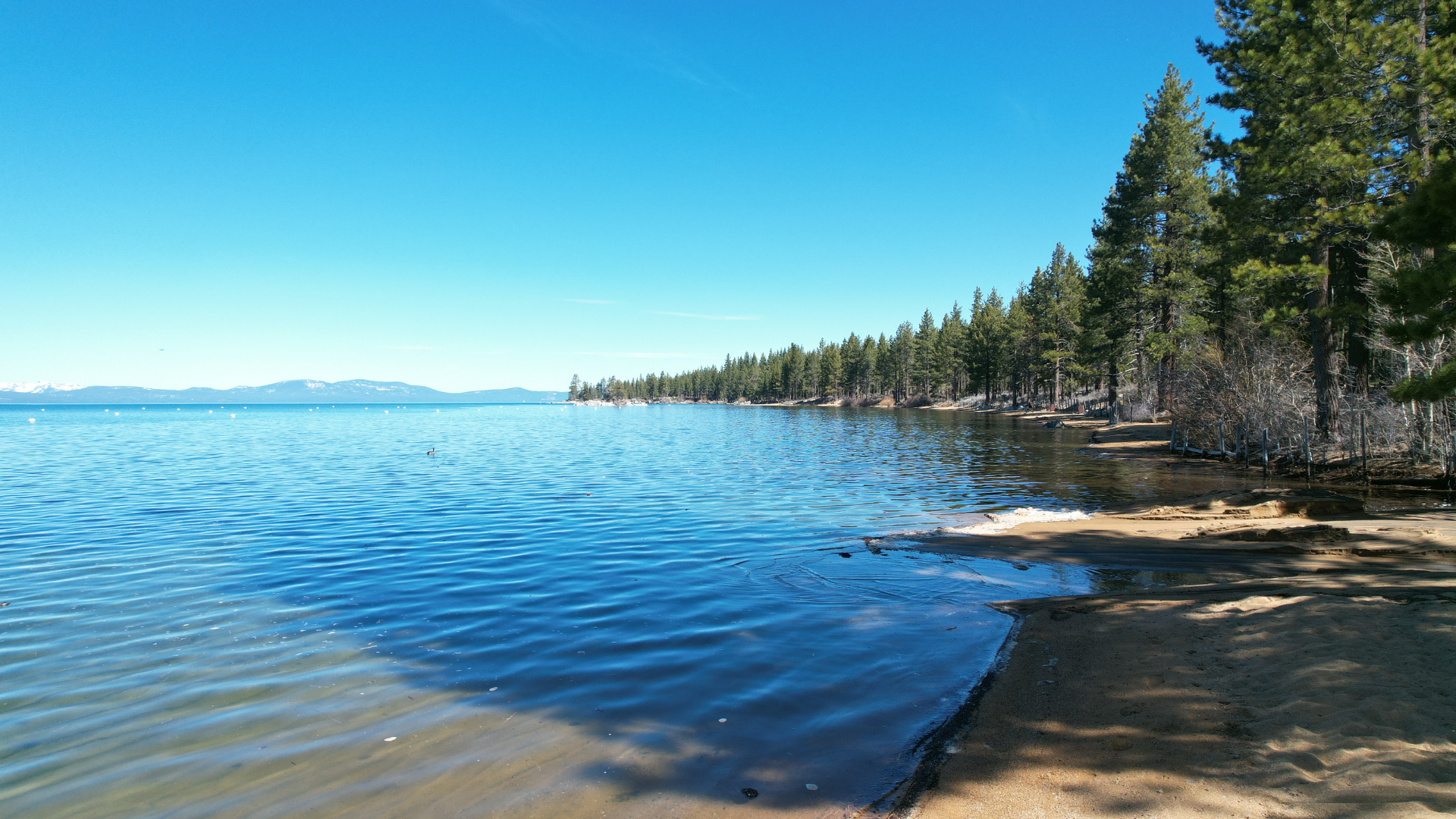
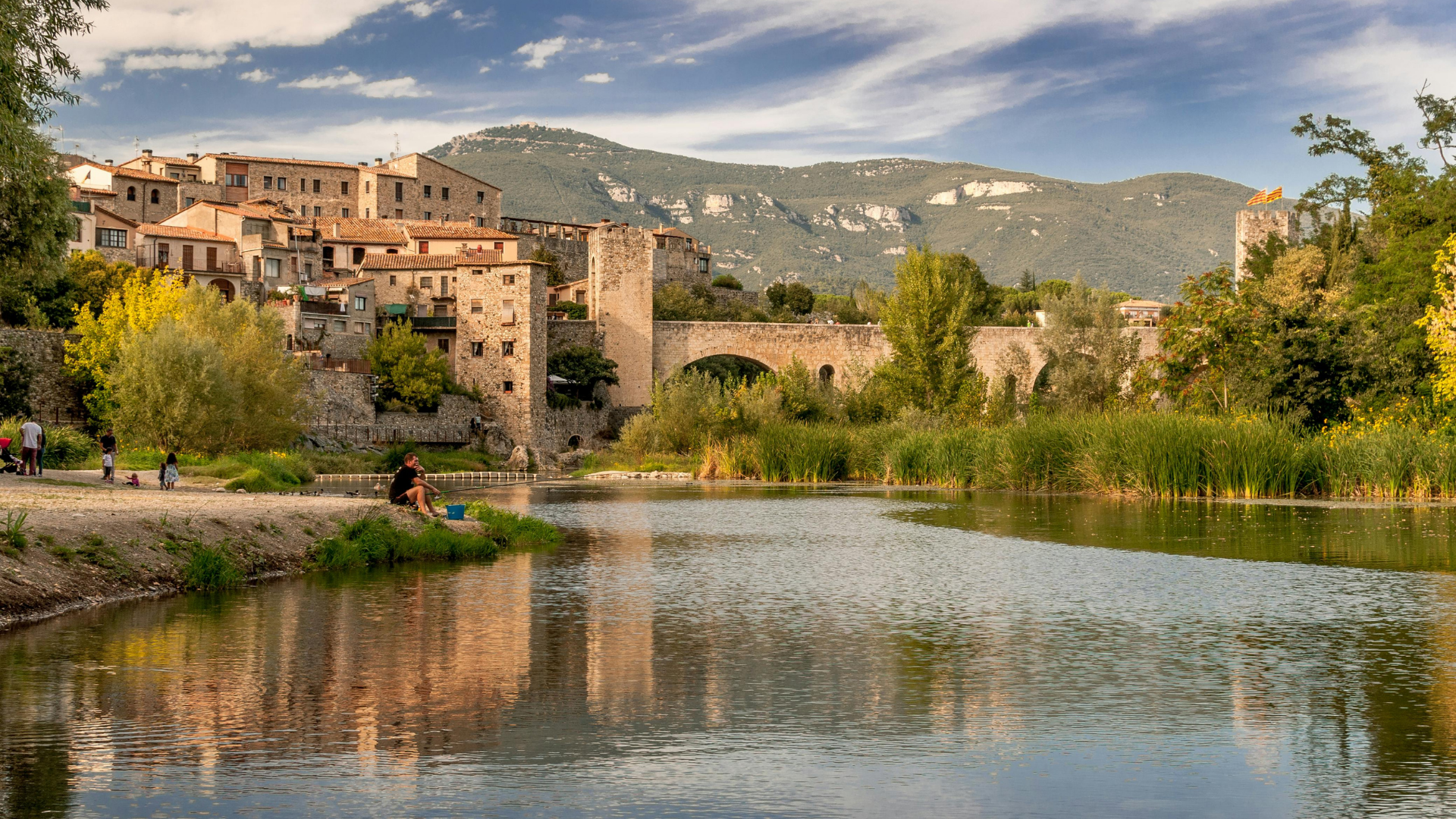
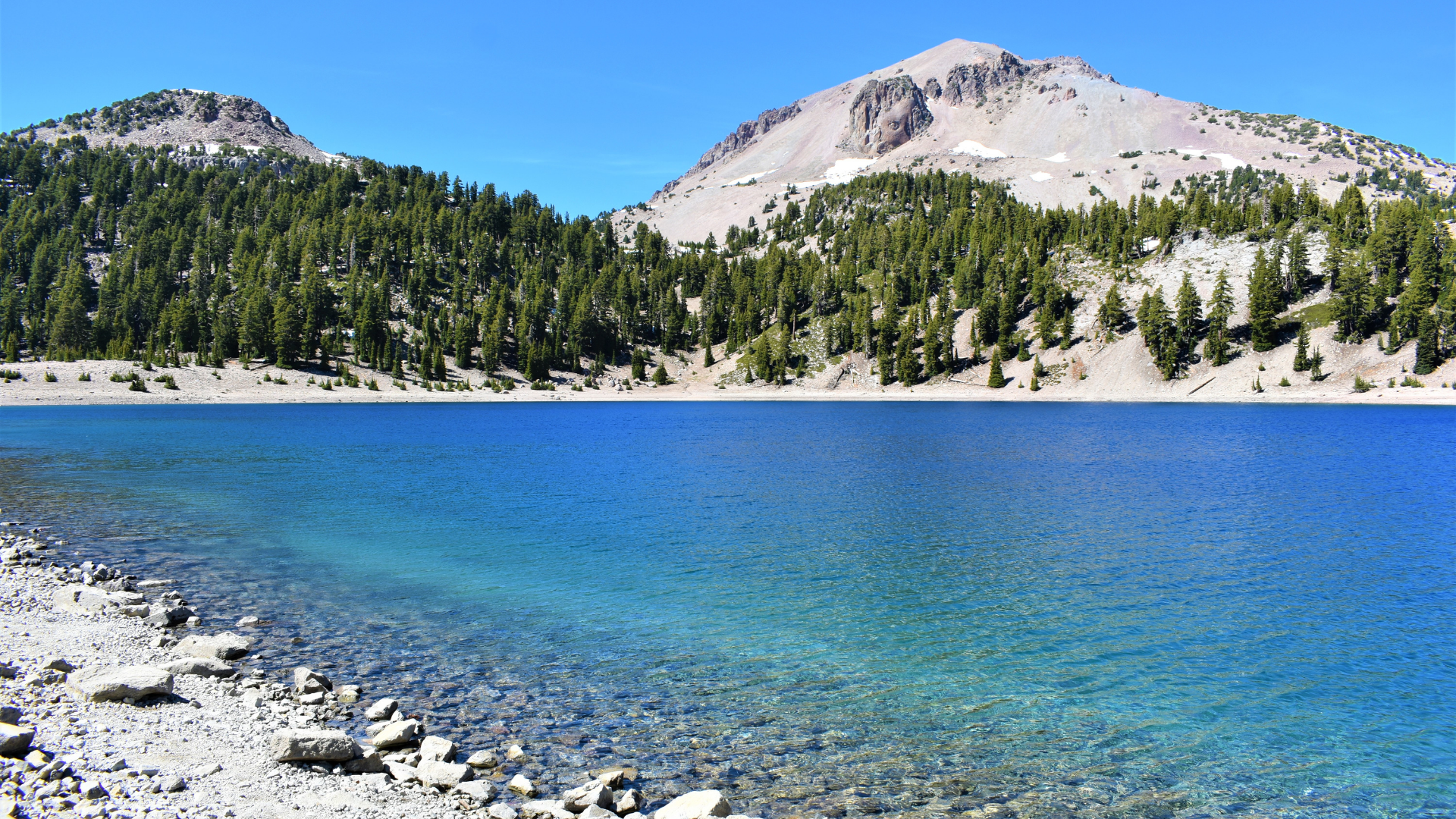
California and Catalonia are geographically distant, but they share important characteristics that make collaboration particularly relevant. Both include territories with Mediterranean-type climates, where water availability is highly seasonal and increasingly affected by climate variability. This shared environmental context provides an opportunity to compare experiences while recognising that each region has developed its own approaches to water management, research, innovation and adaptation.
Mediterranean-Type Climate Regions
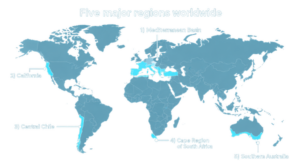
Mediterranean-type climates occur in only a few regions of the world (2-3% of the Earth’s land area) and are generally characterised by hot, dry summers and precipitation concentrated during the cooler months. Because water is available only during certain periods, these regions must sustain communities, agriculture, economies, and ecosystems throughout prolonged dry seasons. Drought, wildfires, heavy rainfall, declining water quality, and ecosystem changes are often interconnected and can reinforce one another.

Areas of mutual learning and collaboration
 Drought and Water Scarcity
Preparing for prolonged dry periods, reduced reliability, and increasingly variable water supplies.
|
 Water Quality and Reuse
Protecting water quality while advancing safe, efficient, and sustainable reuse strategies.
|
 Wildfire and Watersheds
Understanding the effects of wildfire, erosion, and landscape change on ecosystems and water supplies.
|
 Ecosystem and Climate Resilience
Supporting healthy rivers, wetlands, watersheds, and communities under changing climate conditions.
|
 Governance, Policy, and Equity
Comparing institutions, policies, financing approaches, and collaborative models for fair and resilient water futures.
|
 Innovation and Decision Support
Connecting data, models, technology, and scientific knowledge with real-world water decisions.
|

Complementary expertise, a shared commitment to water research
CALCAT Water brings together two research institutes with complementary expertise and strong connections to their respective water research and innovation communities. CIWR and ICRA provide the scientific and institutional foundations for developing collaboration between California and Catalonia.
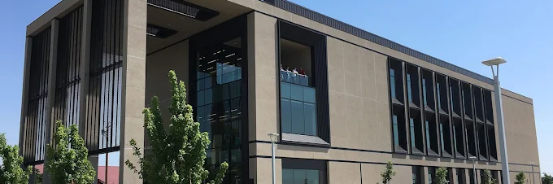
CALIFORNIA
California Institute for Water ResourcesThe California Institute for Water Resources (CIWR) supports water research, education, Extension and partnerships across California, connecting scientific knowledge with the state’s diverse water needs. |
CATALONIA
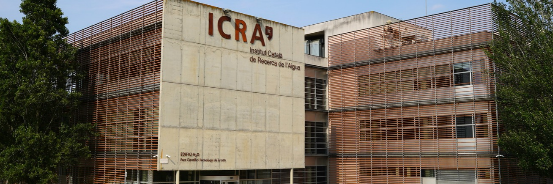
Catalan Institute for Water ResearchThe Catalan Institute for Water Research (ICRA) conducts multidisciplinary research across the water sciences, combining fundamental and applied research with innovation and knowledge transfer. |
1. Research and Innovation
Develop joint research and innovation activities around priority water and climate challenges.
2. Knowledge and Mobility
Facilitate researcher mobility and the exchange of scientific methods, expertise and experience.
3. Workshops and Working Groups
Bring researchers and partners together to explore specific challenges, develop ideas and identify opportunities for future collaboration.
4. Policy and Implementation
Connect research with agencies, practitioners and decision-makers to help translate scientific knowledge into practice.