Catalan Institute for Water Research
Research and Innovation for the sustainable use of water
Research and Innovation for the sustainable use of water
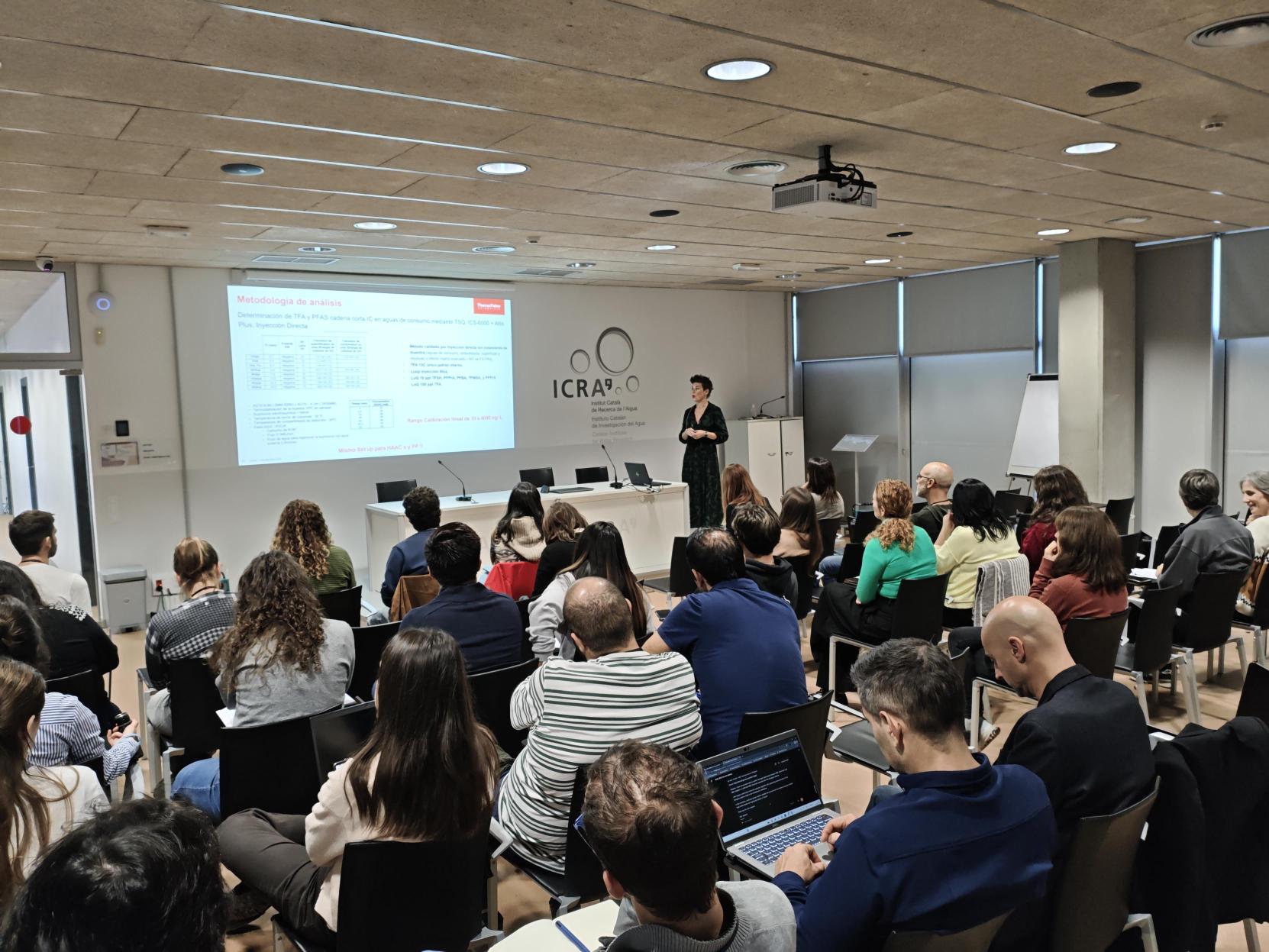
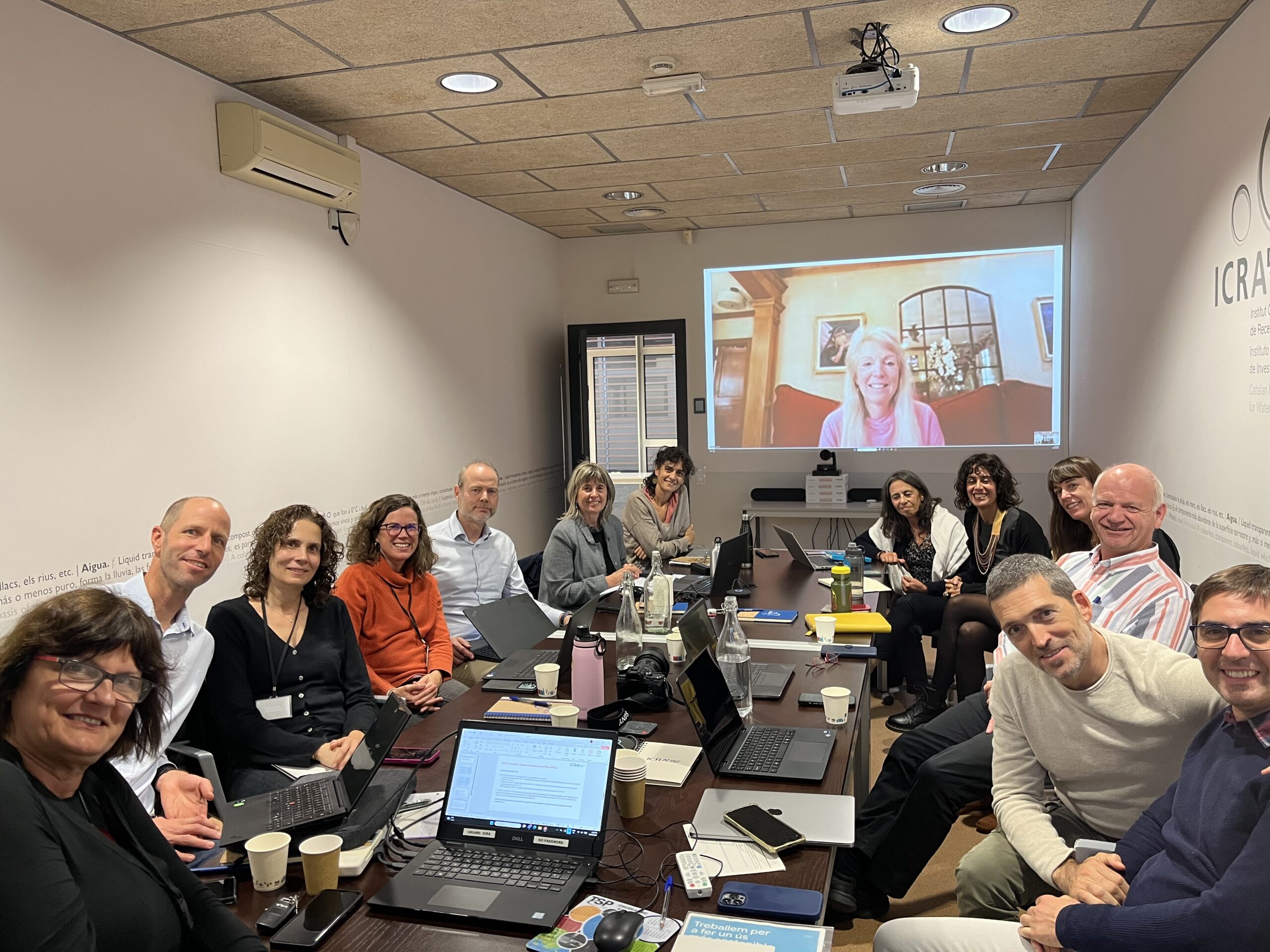
ICRA hosted a technical workshop dedicated to presenting the new Ion Chromatograph (IC) with multiple detection capabilities through High-Resolution Mass Spectrometry (HRMS), Conductivity Detection (CD), and UV/Visible Detection (UV/VIS). The event provided an opportunity to highlight the analytical capabilities of the infrastructure as well as the methodologies and applications developed to date using this advanced equipment.
The infrastructure is part of a project awarded under the competitive CERCA GINYS III shared research infrastructure programme and is co-funded by the Spanish Ministry of Science, Innovation and Universities, the Department of Research and Universities of the Government of Catalonia, and the Catalan Institution for Research and Advanced Studies and Research Centres of Catalonia (I-CERCA). The proposal also involves the Girona Biomedical Research Institute (IDIBGI) and the Centre for Ecological Research and Forestry Applications (CREAF), while ICRA acts as the coordinating institution.
During the workshop, specialists from Thermo Fisher Scientific S.L.U. presented the principles of ion chromatography and the opportunities offered by its integration with high-resolution mass spectrometry. The sessions explored both the technological foundations of the technique and some of its most innovative applications.
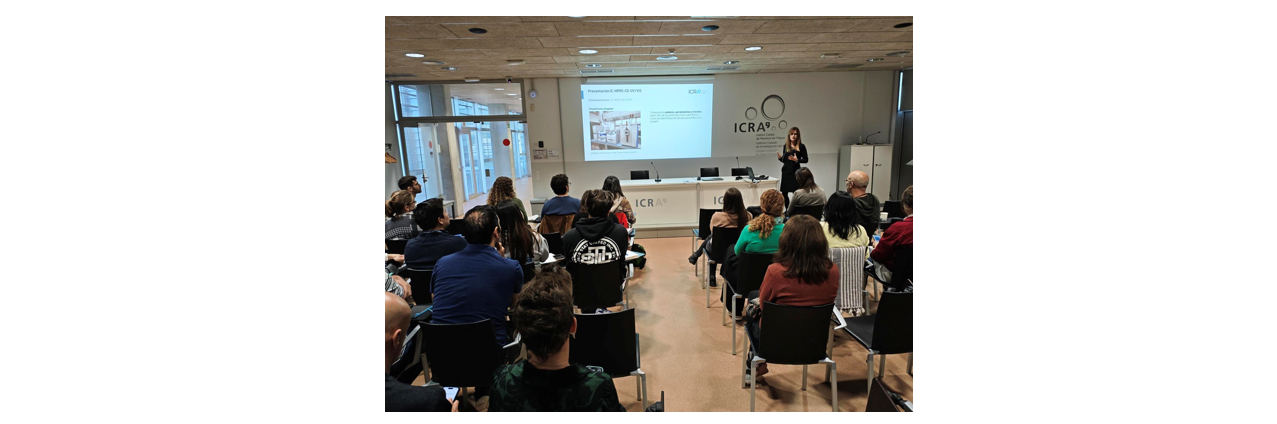
ICRA researcher Sara Insa presented several case studies and applications developed using the IC-HRMS-CD-UV/VIS platform, with particular emphasis on the optimisation of high-resolution mass spectrometry-based methodologies to address complex analytical challenges. These include the determination of haloacetic acids and polar pesticides in water samples, contaminants of increasing concern in the fields of water quality and environmental monitoring.
The event concluded with a forward-looking overview of the opportunities offered by this scientific infrastructure, particularly in the fields of non-target analysis and metabolomics studies, both in environmental and biomedical contexts. These research areas are of particular interest to the infrastructure’s partner institutions, IDIBGI and CREAF, and further highlight the equipment’s potential to generate knowledge across complementary scientific disciplines.