Catalan Institute for Water Research
Research and Innovation for the sustainable use of water
Research and Innovation for the sustainable use of water

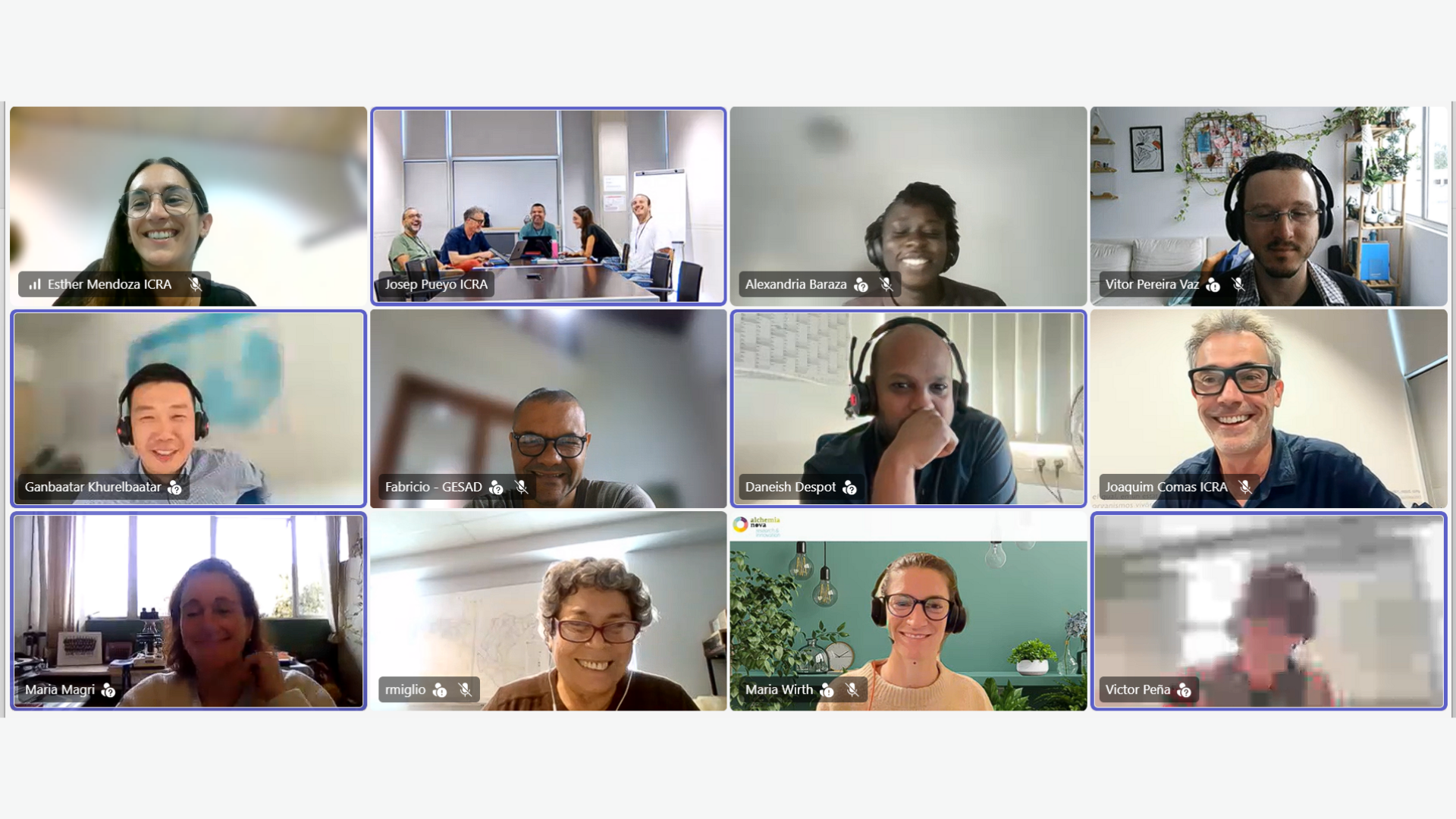
Researchers from 13 scientific centers and universities gathered in Girona to hold the 2nd meeting of the H2OSEG project, a project aimed at addressing the main challenges in water management and the conflicts arising from its use in Spain.
Over two days of work, the team discussed the progress achieved so far and coordinated the next steps of the research in line with the project’s objectives. Among the program’s highlights, one of the main outputs was the presentation of surveys to experts and managers on the main anthropogenic drivers directly affecting aquatic ecosystems; the geographic analysis of impacts; the identification of water-use conflicts; and the preparation of participatory workshops with key stakeholders for each of the project’s case studies (the Ter River basin, the Albufera of Valencia, and the Santander conurbation).
One of the main advances resulting from the meeting was the validation of a common framework to prioritize pressures on water resources, combining scientific data with the perspectives of experts and managers. It was also agreed to develop a model of pressures and impacts on rivers and aquifers, and to consider integrating multivariate analysis tools to better understand territorial conflicts arising from water scarcity.
The team emphasized that the success of the project will depend not only on its scientific rigor but also on its capacity to engage in dialogue with citizens, water managers, and institutional decision-makers. For this reason, the project website has recently been launched, aimed at the general public and key stakeholders, providing informational resources, results, and interactive tools (the latter still in early development).
The third consortium meeting will take place on January 13–14, 2026, in Valencia, where it is expected that the collected data will be consolidated, and progress will be made on the narrative that will shape future scenarios for a fairer, more resilient, and evidence-based water management.